




The Manual of Lifelong Oral Health: Age-Specific Care and Problem-Solving Routines
Maintaining a healthy smile requires adapting your daily oral hygiene routine across different stages of life, while also modifying your approach based on specific dental appliances or underlying health issues. This guide integrates universal techniques, age-related developmental facts, and targeted treatments for specialized dental needs.
🪥 The Universal Base: Proper Brushing Technique
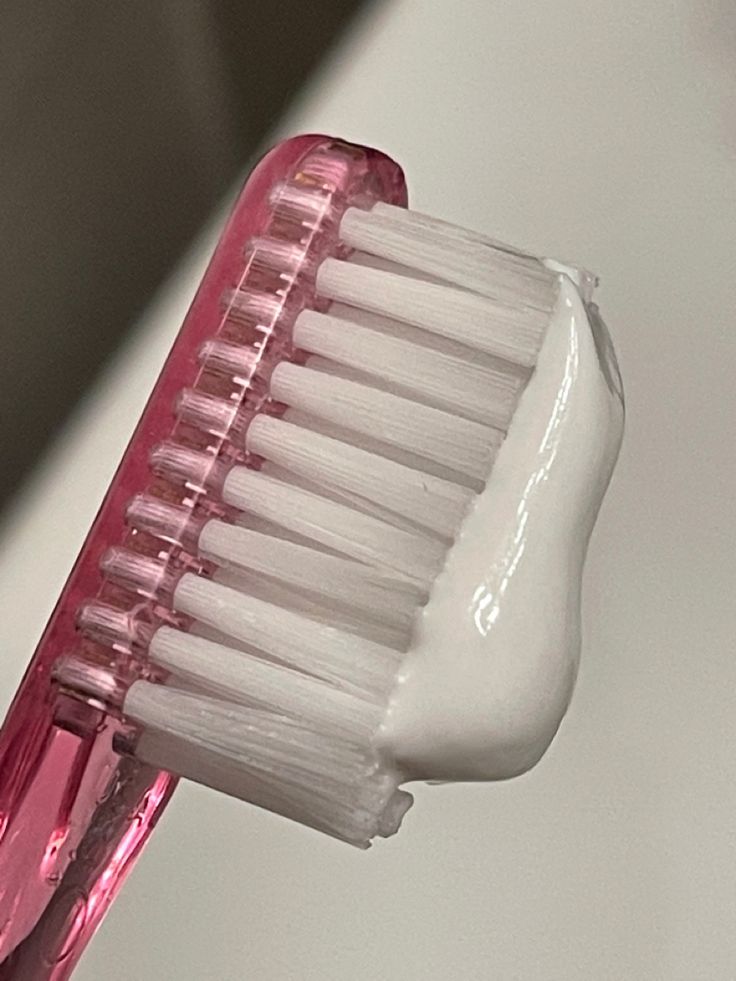
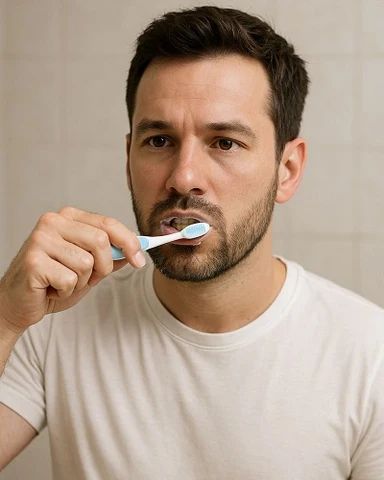
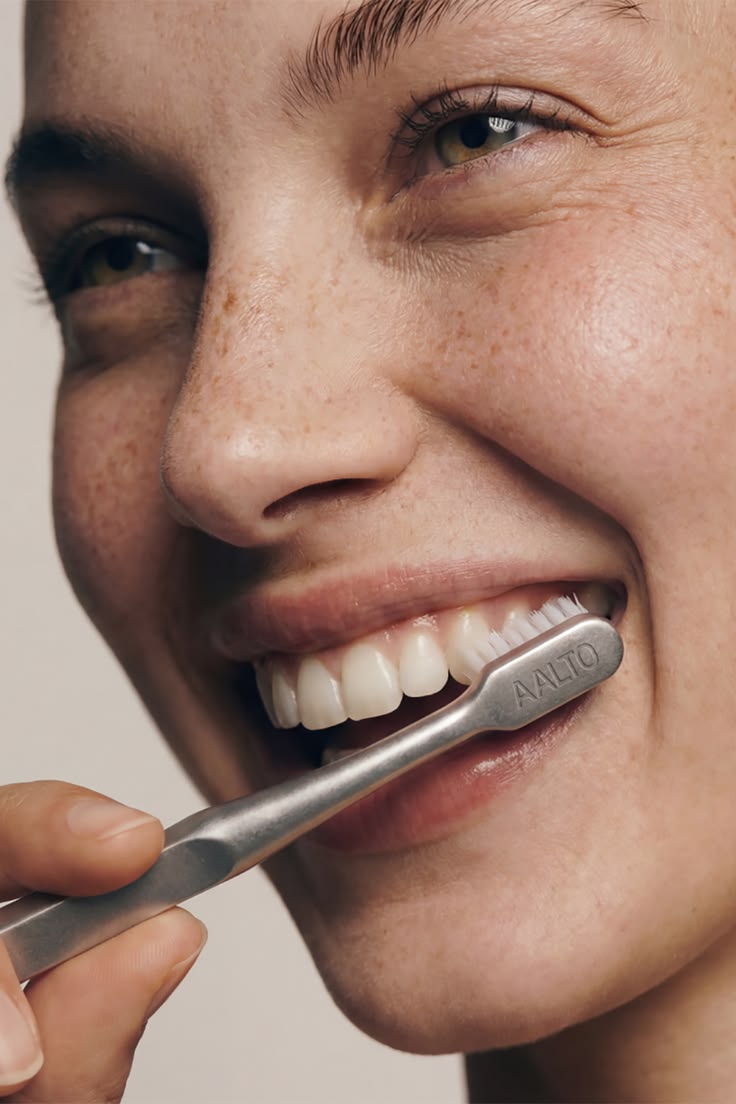
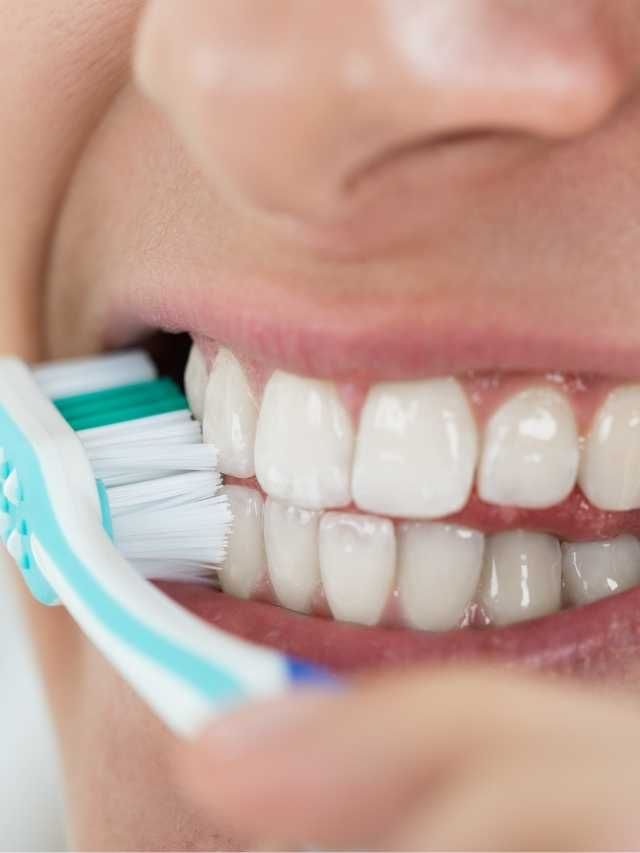
No matter your age or dental condition, brushing correctly is the foundation of oral health. Aggressive horizontal sawing damages teeth and gums. Instead, follow these clinically recommended steps twice a day for two full minutes:
Angle the Brush:
Hold a soft-bristled toothbrush at a 45-degree angle, pointing the bristles directly toward your gum line where plaque accumulates most.Gentle Motions:
Move the brush in small, circular motions combined with short back-and-forth strokes. Keep your pressure light.Clean All Surfaces:
Methodically clean the outer surfaces, the inner surfaces facing your tongue, and the flat chewing surfaces of every tooth.Brush Your Tongue:
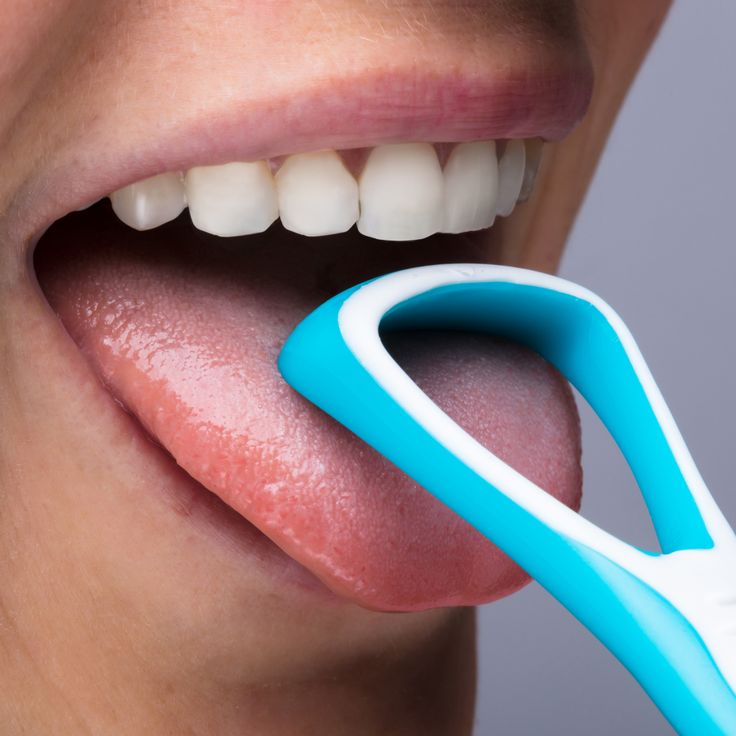
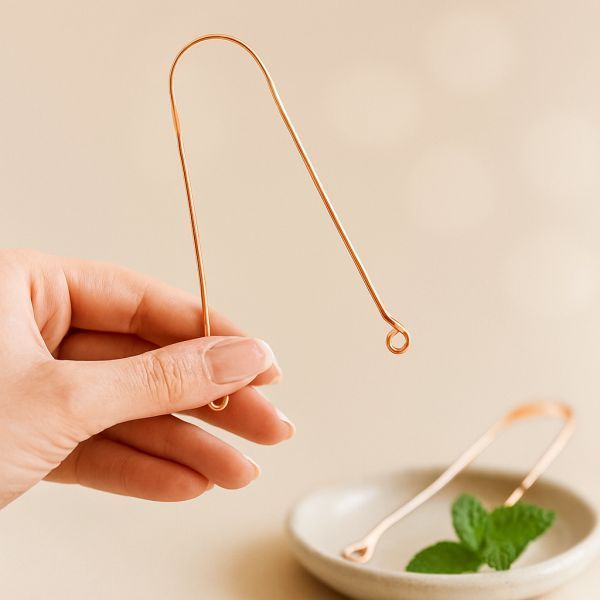
Gently sweep your tongue from back to front, or use a dedicated tongue scraper, to clear trapped bacteria and eliminate bad breath.Spit, Don't Rinse:
After brushing, spit out the excess foam but do not rinse your mouth with water. Leaving a thin layer of toothpaste on your teeth allows the active ingredients to continue strengthening your enamel.Wait After Eating:
If you consume acidic foods, sodas, or sweets, wait 60 minutes before brushing. Acid temporarily softens enamel, and brushing too soon can scrub that protective layer away.⏳ Stage 1: Age-Based Oral Health Lifespan
Infancy to Toddlerhood (Ages 0–3)
The Development:
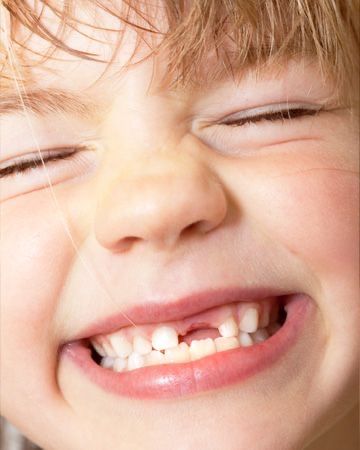
Primary teeth begin erupting around six months of age. Tooth decay can start as soon as the very first tooth breaks through the gums.The Daily Routine:
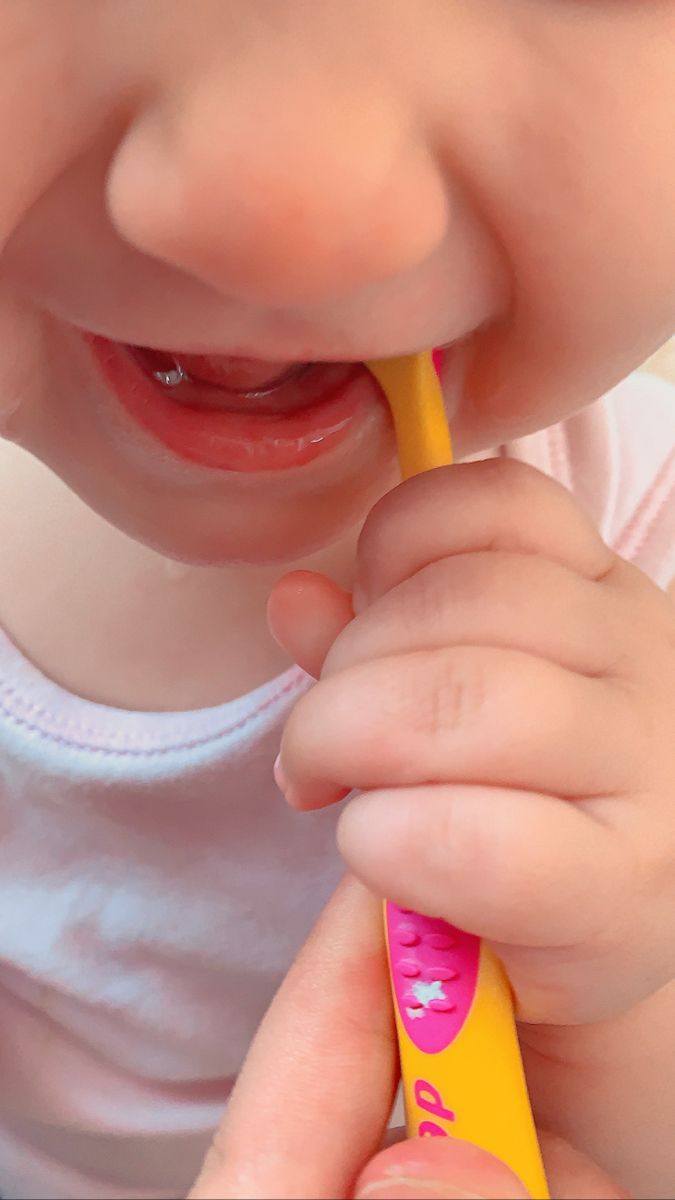
Clean a baby’s gums with a soft, damp cloth after feedings. Switch to a baby-sized toothbrush and a tiny smear of fluoride toothpaste (the size of a single grain of rice) as soon as the first tooth appears.Critical Preventive Care:
Never put a baby to sleep with a bottle containing milk, formula, or juice. The sugars pool around the teeth for hours, causing rapid, severe "baby bottle tooth decay."Young Children (Ages 3–6)
The Development:
Children at this stage lack the manual dexterity and coordination required to brush effectively on their own. As a rule of thumb, if they cannot tie their own shoes, they cannot brush thoroughly unsupervised.The Daily Routine:
Transition to a pea-sized amount of fluoride toothpaste. Parents must physically brush the child's teeth or rigorously supervise and re-brush missed areas.Critical Preventive Care:
Train children to spit out all the foam after brushing rather than swallowing it, avoiding the risk of dental fluorosis (spots on developing adult teeth).Tweens and Teens (Ages 7–19)
The Development:
The influx of hormones during puberty significantly increases blood flow to the gums. This shift makes teenagers highly susceptible to swelling, redness, and a condition known as puberty gingivitis.The Daily Routine:
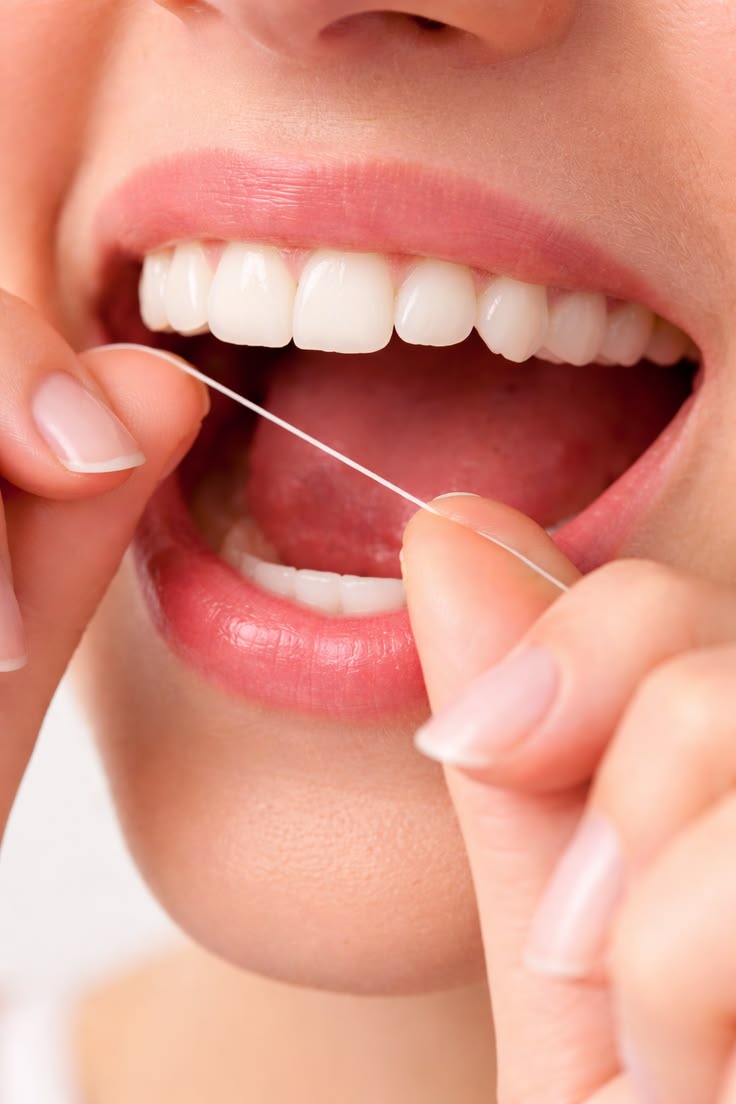
Independent brushing for two minutes, twice a day, alongside mandatory daily flossing to clear plaque from between tightly packed adult teeth.Critical Preventive Care:
Dietary habits often worsen in teenage years due to increased soda, sports drink, and snack consumption, requiring stricter adherence to nighttime oral hygiene.Adults (Ages 20–64)
The Development:
Chronic gum disease (periodontitis) is the leading cause of adult tooth loss. Medical research links advanced gum disease to wider systemic health issues, including cardiovascular disease and diabetes.The Daily Routine:
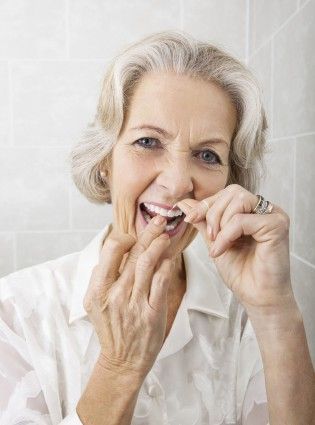
Brush twice daily with fluoride or enamel-rebuilding toothpaste, floss at least once a day, and schedule professional dental cleanings twice a year.Critical Preventive Care:
Avoid all forms of tobacco. Smoking and chewing tobacco severely restrict blood flow to gum tissue, mask the signs of gum disease, stain teeth, and drastically elevate oral cancer risks.Seniors (Ages 65+)
The Development:
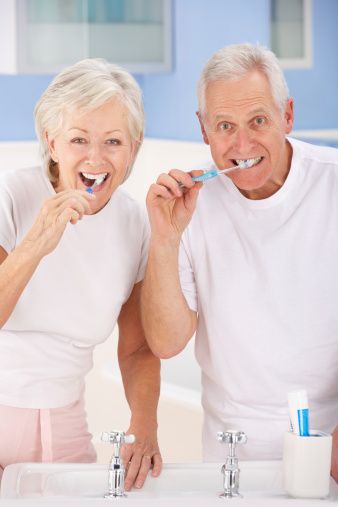
Over time, natural gum recession exposes the soft roots of the teeth. Because roots lack a protective enamel coating, older adults are highly vulnerable to rapid root cavities.The Daily Routine:
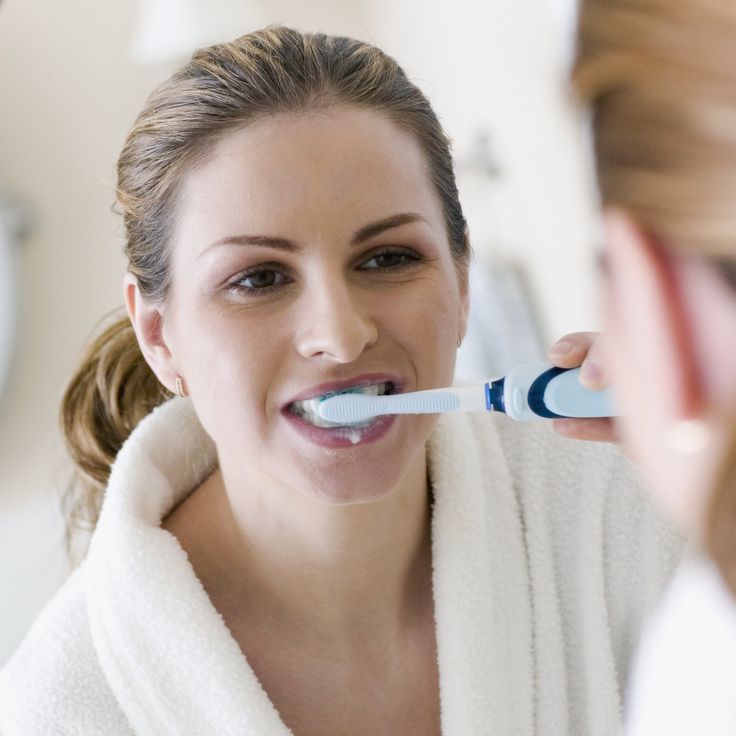
If arthritis or limited dexterity hinders hand movement, switch to an electric toothbrush to handle the scrubbing motion automatically. Use prescription-strength high-fluoride toothpaste if directed by a doctor.Critical Preventive Care:
Hundreds of common medications cause dry mouth (xerostomia). Because saliva is the mouth's natural defense against cavity-causing acids, fight dry mouth by sipping water constantly and chewing sugar-free gum to stimulate salivary flow.🦷 Stage 2: Appliance-Specific Care Profiles
Living with Braces or Orthodontic Aligners
The Dental Fact:
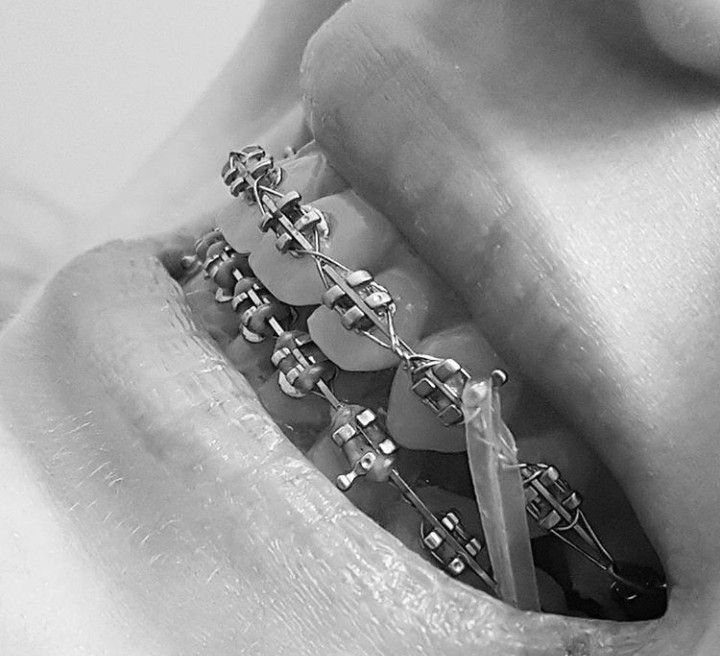
Brackets, wires, and bands create thousands of microscopic traps for food and plaque, quadrupling the daily risk of tooth decay and staining.The Routine:
Brush after every single meal or snack, rather than just twice a day. Avoid whitening toothpastes, or you will leave dark, unwhitened squares on your teeth when the brackets are removed.The Modification:
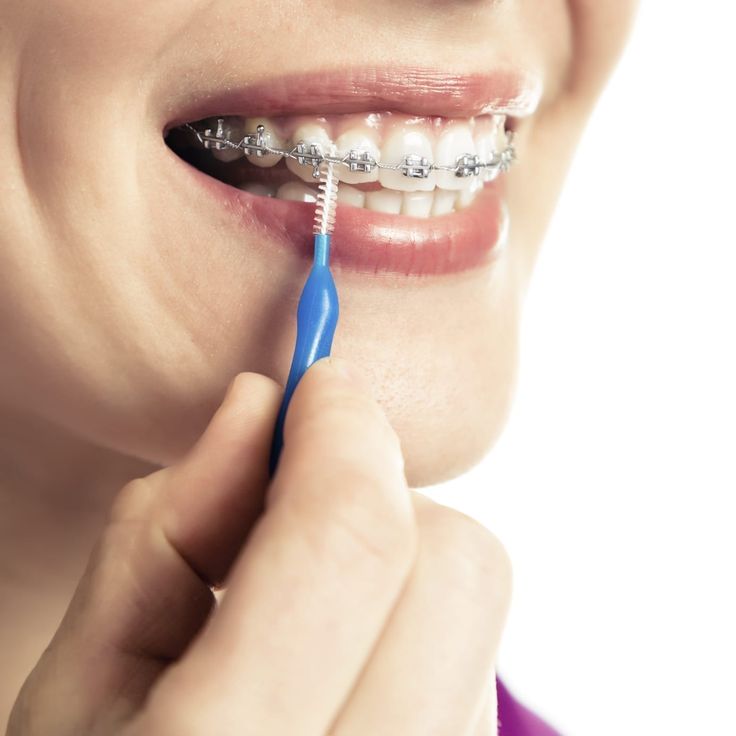
Angle your brush down at 45 degrees to clean the top of the brackets, then angle it up from below to clean underneath them. Slide a specialized proxy brush (a tiny, tree-shaped brush) underneath the archwire between every tooth to drag out hidden debris. Always rinse removable aligner trays with cool water before reinserting them.Living with Full or Partial Dentures
The Dental Fact:
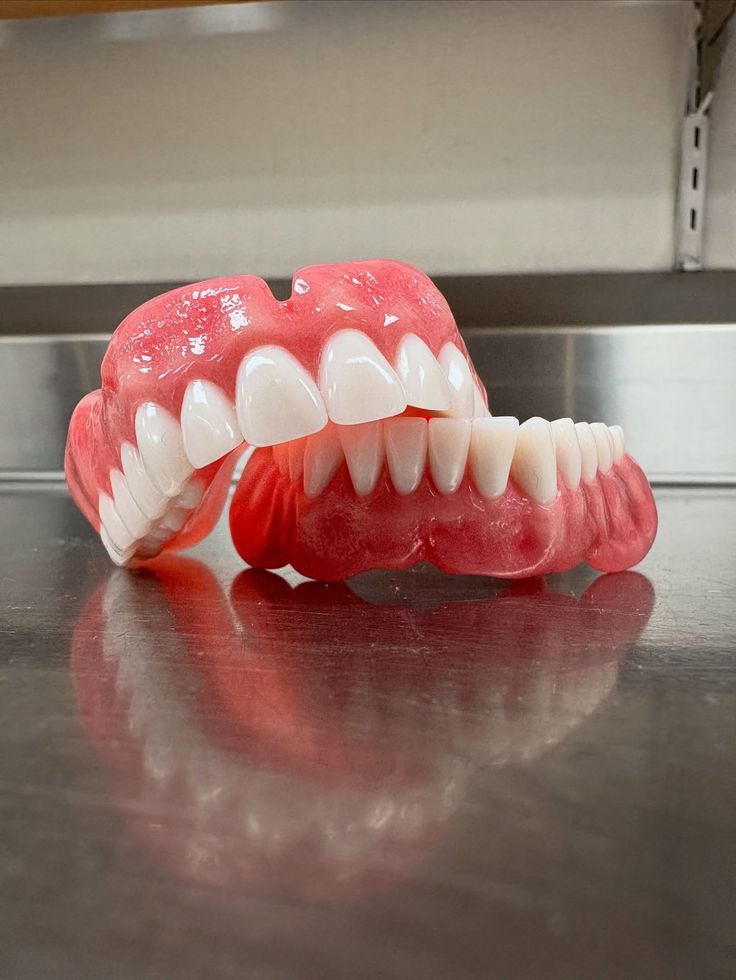
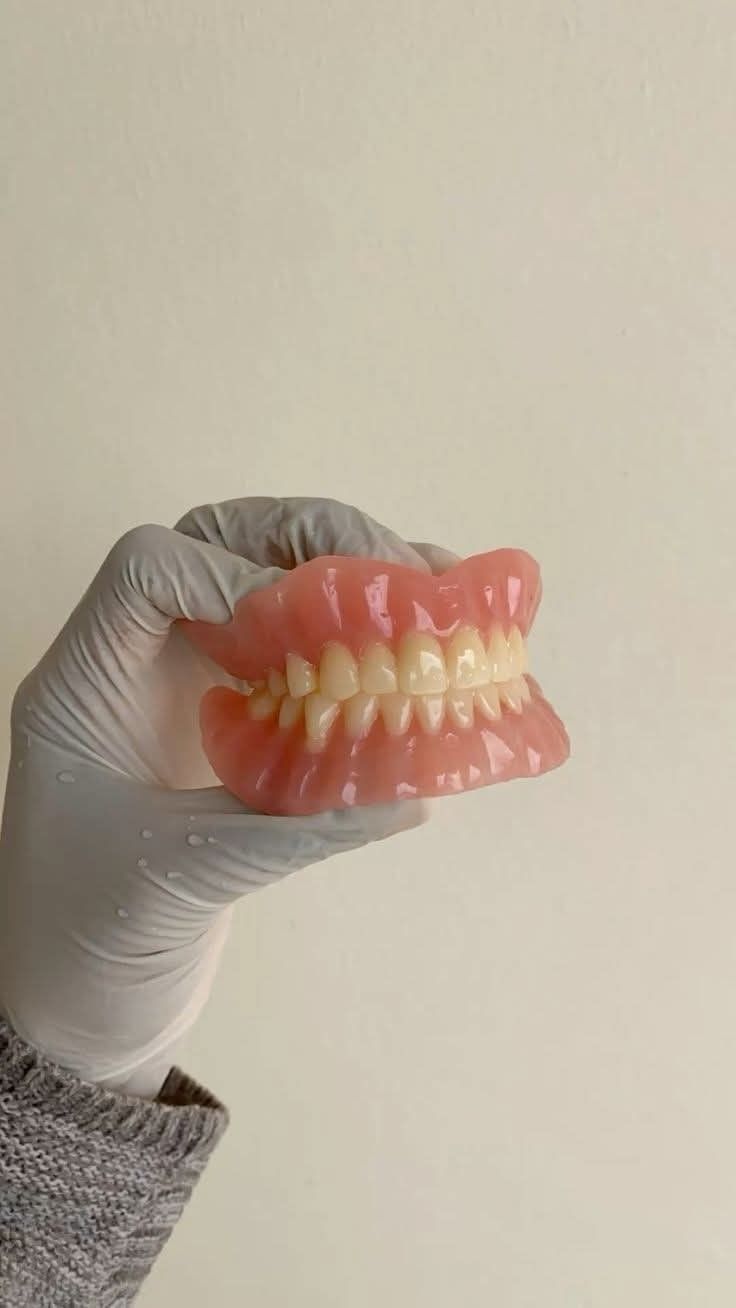
Dentures are constructed from porous acrylic. This material easily absorbs bacteria, food stains, and fungal organisms, which can lead to painful conditions like oral thrush.The Routine:
Clean your dentures daily outside of your mouth. Always remove your dentures for at least 6 hours every night to let your delicate gum tissues breathe and recover.The Modification:
Rinse dentures under warm water after eating. Scrub them thoroughly using a soft denture brush and a non-abrasive denture paste or mild dish soap. Never use standard toothpaste, as its gritty textures permanently scratch and dull acrylic. Soak the dentures overnight in water or a commercial cleaning solution.Bonus Step:
Even if you have lost all your natural teeth, you must still gently brush your gums, tongue, and the roof of your mouth with a soft cloth or brush every morning to remove bacteria and stimulate blood circulation.Standard Care (Natural Teeth Without Appliances)
The Dental Fact:
Plaque forms an invisible, sticky film of bacteria that constantly rebuilds on natural tooth surfaces every 4 to 12 hours.The Routine:
Stick to the standard soft-bristled brush routine twice a day and floss daily.The Modification:
Use toothpastes containing active enamel repair agents like fluoride or hydroxyapatite to chemically heal microscopic weaknesses before they turn into physical cavities. Remember that flossing cleans the 40% of your tooth surfaces that a toothbrush cannot reach.Stage 3: Targeted Protocols for Oral Health Issues
Bleeding Gums (Gingivitis)
The Mistake:
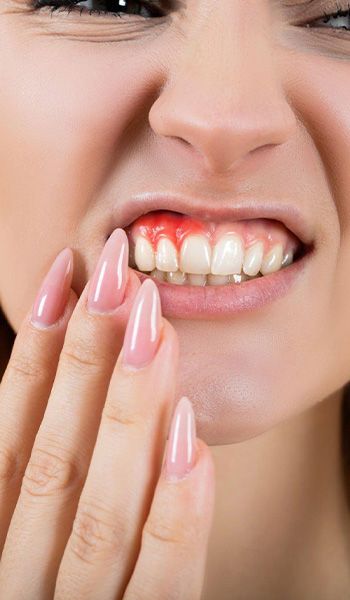
Many people stop brushing or flossing areas that bleed out of fear. This allows more bacteria to gather, worsening the inflammation. Gums bleed because bacteria buildup has caused an infection.The Protocol:
Keep brushing and flossing diligently. The bleeding should steadily decrease and disappear within 7 to 10 days of thorough, proper care.How to Adapt:
Switch to an extra-soft toothbrush. Direct the bristles at a 45-degree angle directly into the pocket between the tooth and the gum. Gently vibrate and massage the gumline using circular motions instead of scrubbing harshly. Incorporate an alcohol-free antiseptic mouthwash to kill the underlying bacteria.Severe Tooth Sensitivity
The Mistake:
Using whitening toothpastes, charcoal powders, or baking soda. These abrasive materials strip away enamel, exposing deeper layers and worsening pain.The Protocol:
Sensitivity occurs when protective enamel thins or gums recede, leaving the tiny nerve pathways (dentin tubules) inside your teeth open to hot, cold, sweet, or acidic triggers. Focus on blocking these pathways.How to Adapt:
Use a specialized desensitizing toothpaste containing potassium nitrate or stannous fluoride. Do not rinse your mouth after brushing. For severe spots, rub a small dab of the sensitivity toothpaste directly onto the painful area with a clean finger right before going to bed.Active Caries (Cavities / Tooth Decay)
The Mistake:
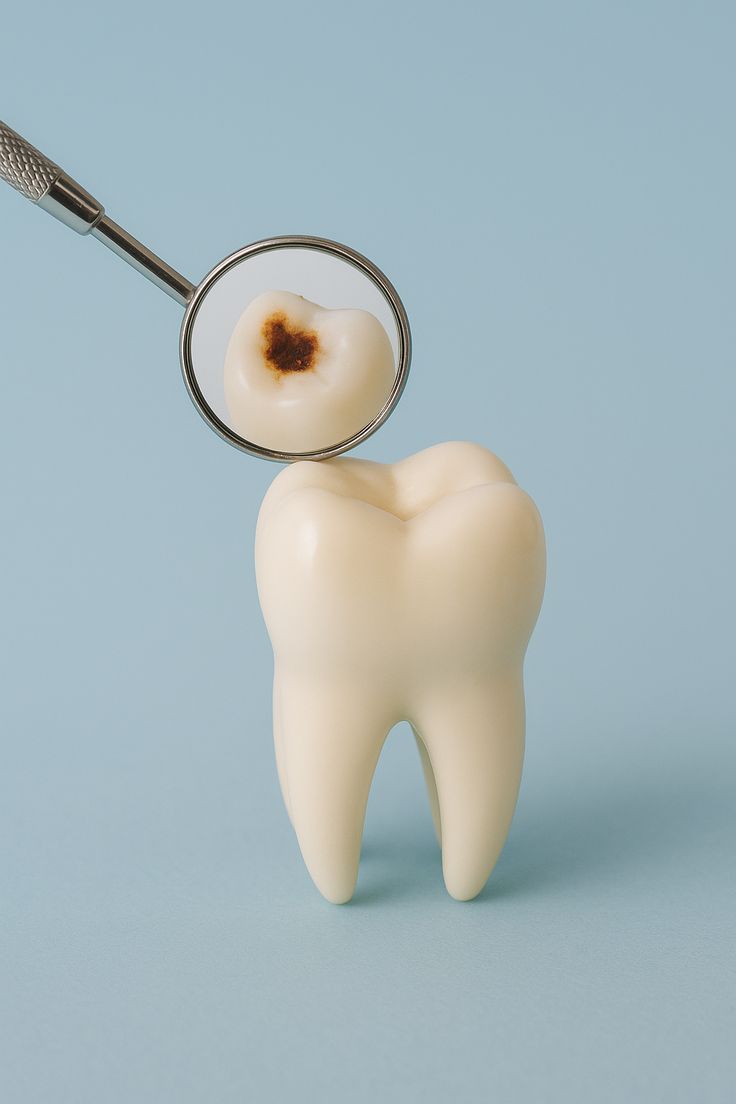
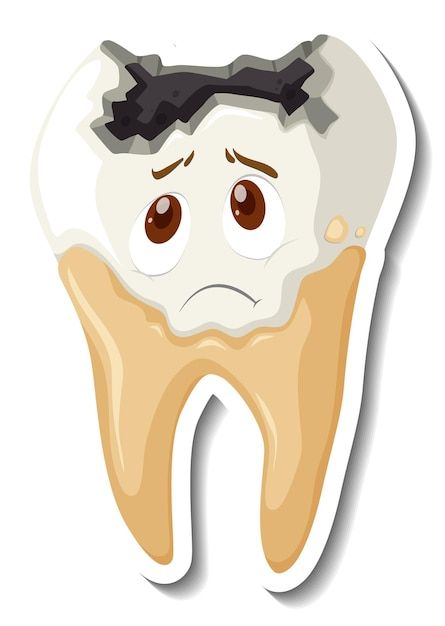
Believing a cavity can be cured or reversed at home. A physical cavity is a permanent hole in the tooth fabric caused by bacterial acid damage. It cannot grow back and requires a physical filling from a dentist.The Protocol:
Focus on halting the decay so it does not spread deeper into the nerve or jump to neighboring teeth.How to Adapt:
Brush immediately after consuming any sugars or simple carbohydrates. Clean out the physical hole by flossing gently around the decayed area, ensuring food particles do not sit inside the cavity and accelerate the rot. Ask your dentist for a prescription high-fluoride toothpaste to harden the surrounding enamel.Dietary Shield:
Eliminate frequent snacking. Every time you eat, your mouth remains highly acidic for roughly 20 minutes. Grazing or snacking throughout the day keeps your teeth in a continuous state of acid bathing, making rapid decay inevitable.